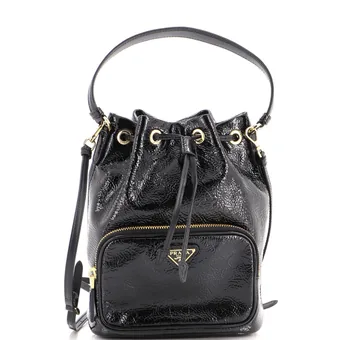
Prada
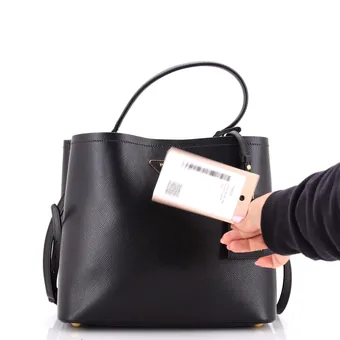
Drawstring Pocket Bucket Bag Patent Small
$1,525
Every bounce is a shopper your similar items row failed to catch.
Send your store URL. We reply with our rows next to the ones your product pages show within 24 hours.
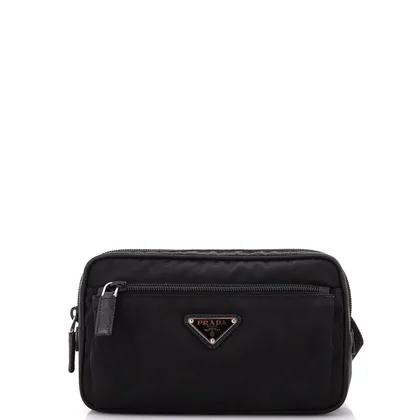
Prada
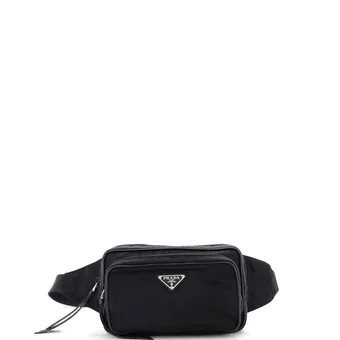
Front Pocket Belt Bag Re-Nylon with Saffiano Leather
$1,075
The page a shopper is on
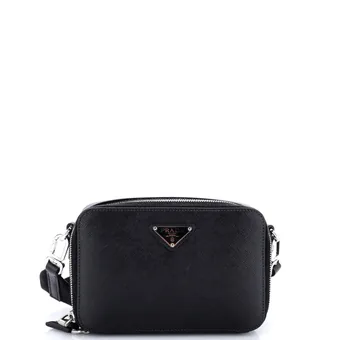
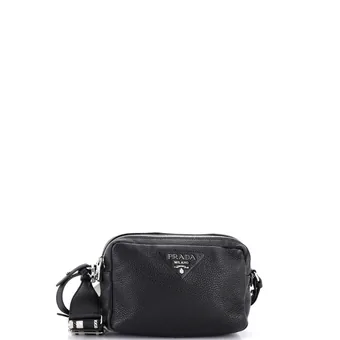
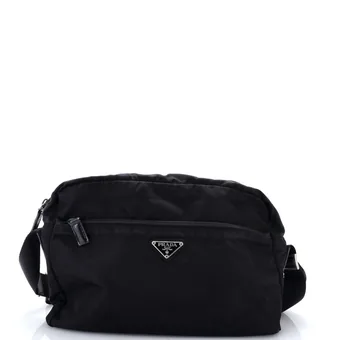
Real product pages
The page a shopper is on
Listed at $1,075. The row underneath this is your one chance to show them the next thing.
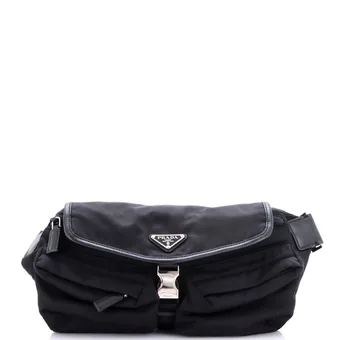
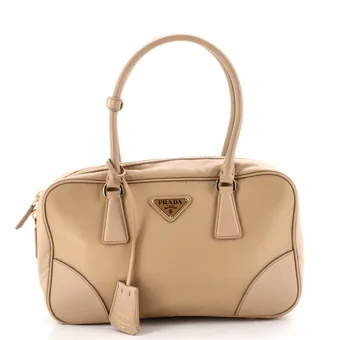
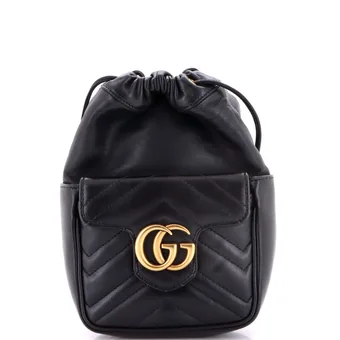
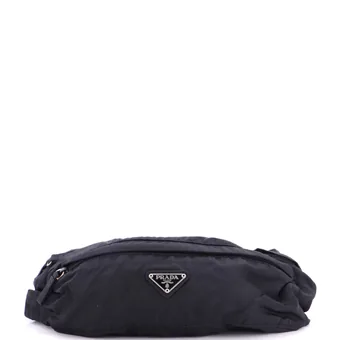
They have 9 of the 14 slots cost more than double, with products that are not similar at all, and 4 identical items wasting space. Ours is 8 flat black nylon Prada bags between $565 and $1,875.
Prada
$1,525
Prada
$1,545
Prada
$2,325
Gucci
$870
Prada
$1,975
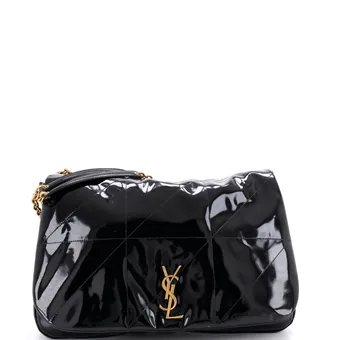
Saint Laurent
$4,110
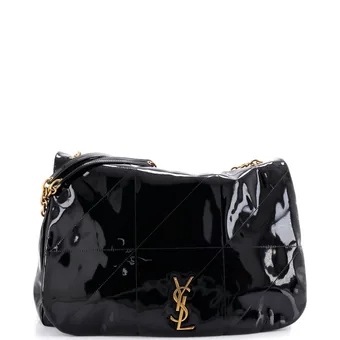 Same bag, 2 of 4
Saint Laurent
$4,075
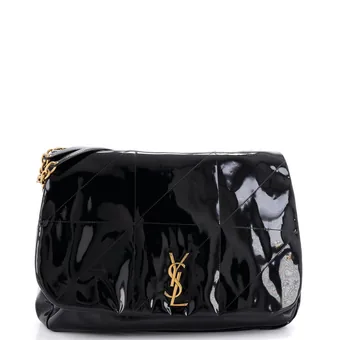 Same bag, 3 of 4
Saint Laurent
$4,110
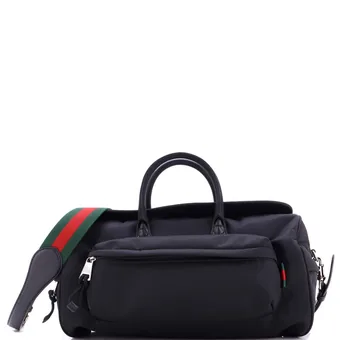
Gucci
$1,540
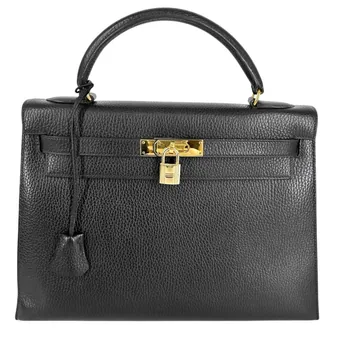
Hermes
$11,980
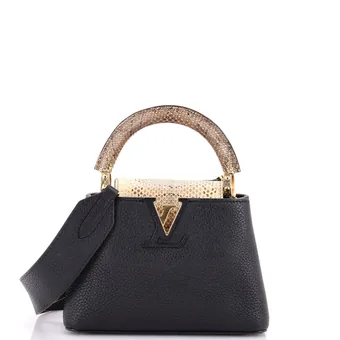
Louis Vuitton
$3,975
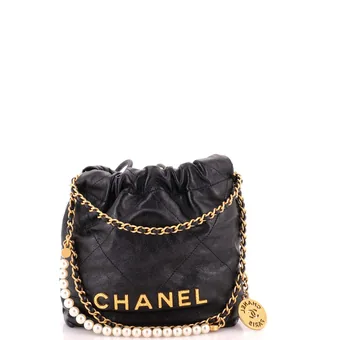
Chanel
$6,945
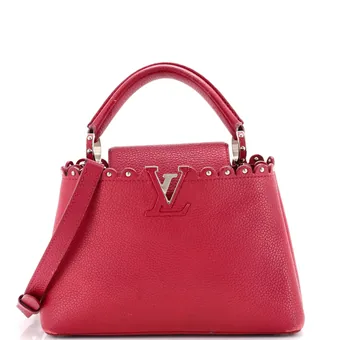
Louis Vuitton
$2,990
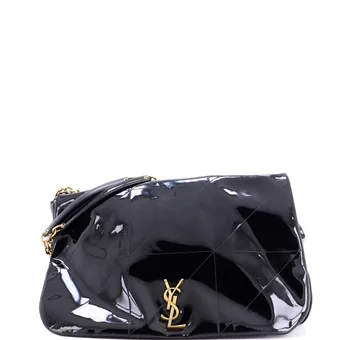 Same bag, 4 of 4
Saint Laurent
$4,045
Prada
$565
Prada
$880
Prada
$1,875
Prada
$1,735
Prada
$1,150
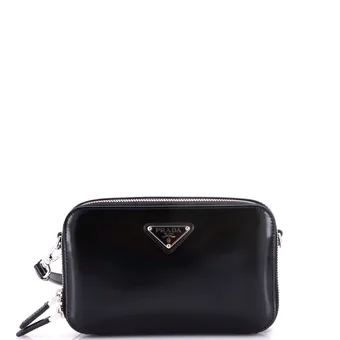
Prada
$1,745
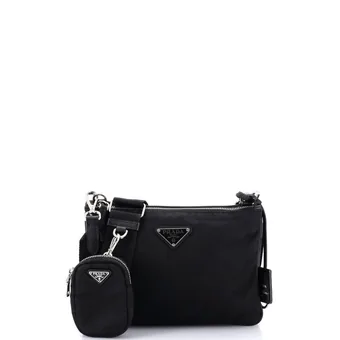
Prada
$1,280
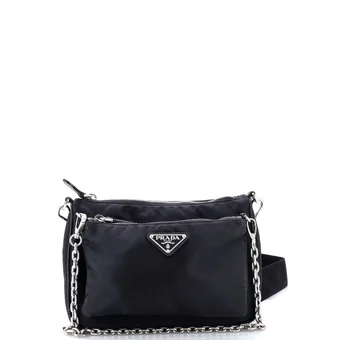
Prada
$1,500
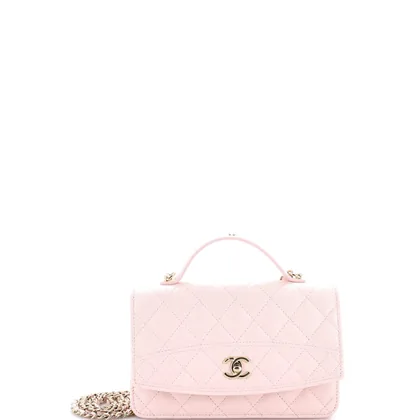
The page a shopper is on
Listed at $5,970. The row underneath this is your one chance to show them the next thing.
The second one fails more quietly. This is a $5,970 quilted Chanel top handle, and 6 of the 14 slots cost less than half of it, starting at $1,115. Our row puts 1 of its 8 below that line as well, which is why the panel says 7. Then look at the colors. The bag on the page is pink and 10 of their 14 slots are black. Ours has 1. The row is 8 Chanel top handle flaps from $2,200 to $6,590.
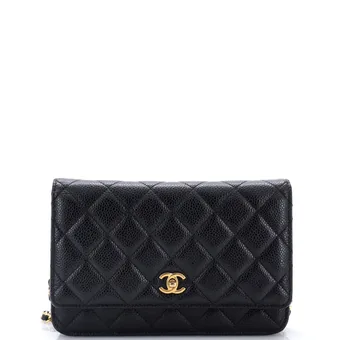
Chanel
$5,330
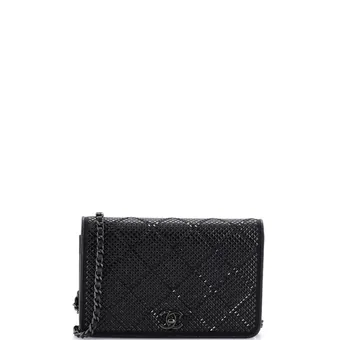
Chanel
$4,960
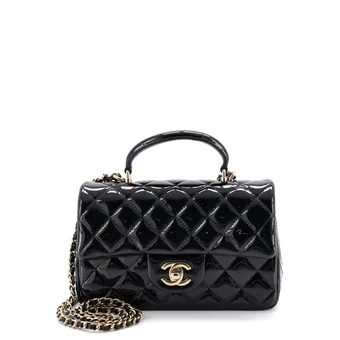
Chanel
$7,575
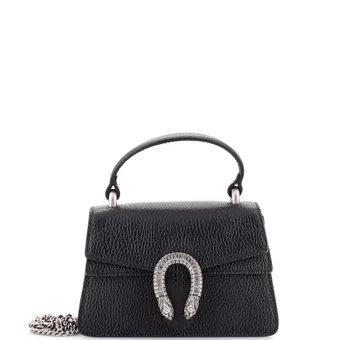
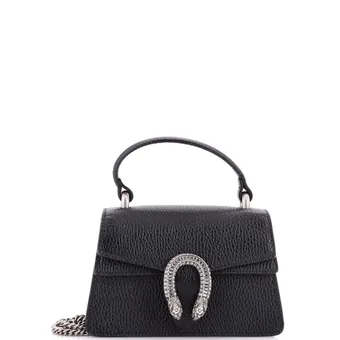
Gucci
$1,200
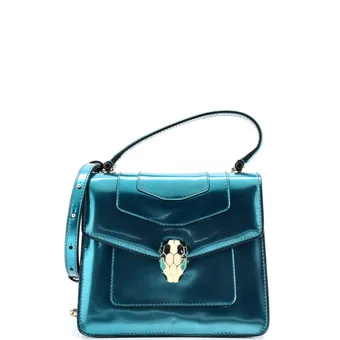
Bvlgari
$1,440
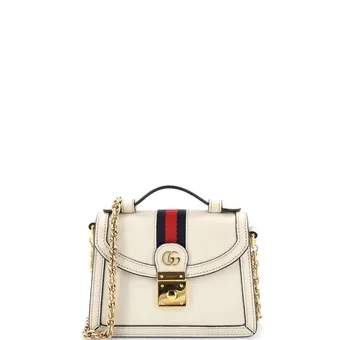
Gucci
$1,115
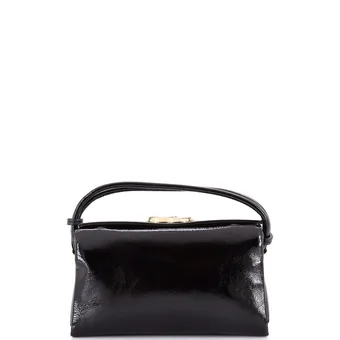
Gucci
$1,270
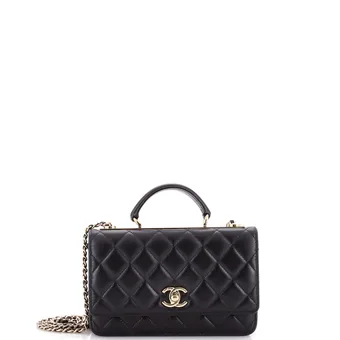
Chanel
$5,020
 Same bag, 2 of 2
Gucci
$1,265
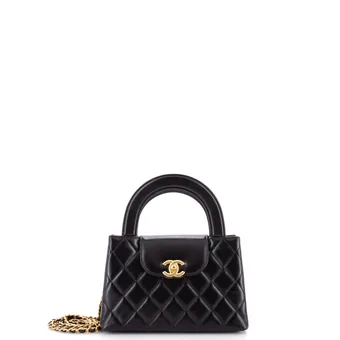
Chanel
$6,785
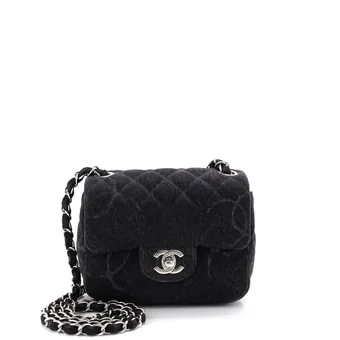
Chanel
$5,085
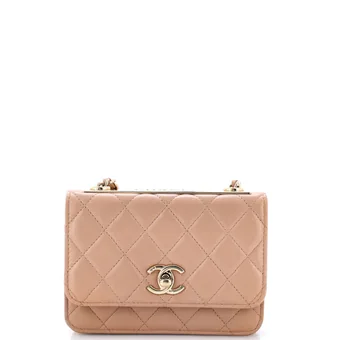
Chanel
$3,305
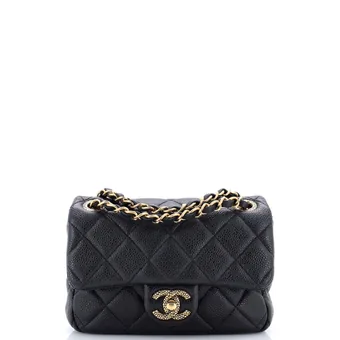
Chanel
$9,155
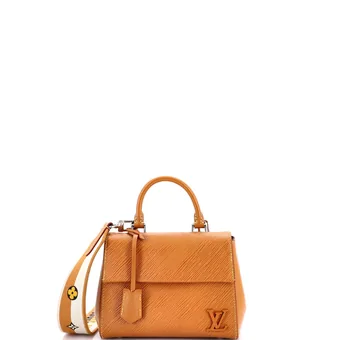
Louis Vuitton
$2,320
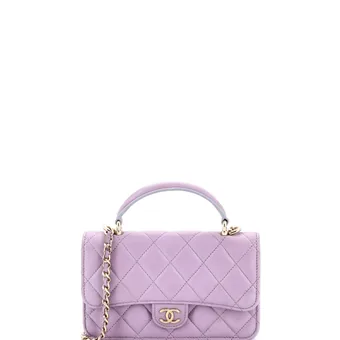
Chanel
$3,215
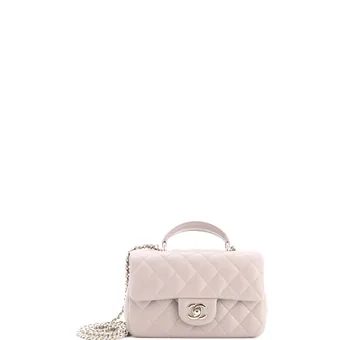
Chanel
$6,270
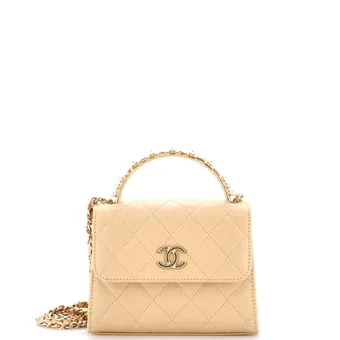
Chanel
$3,855
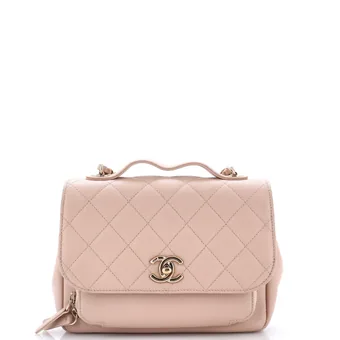
Chanel
$5,055
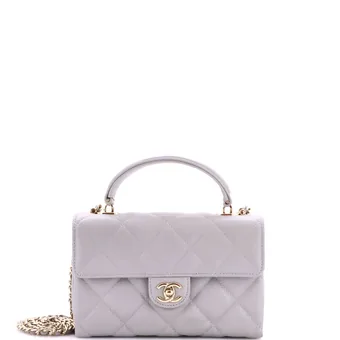
Chanel
$6,590
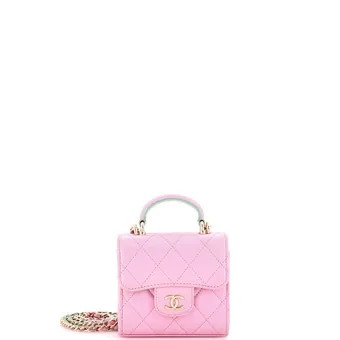
Chanel
$2,200
Chanel
$5,020
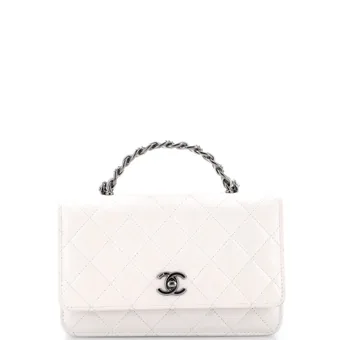
Chanel
$4,040
Product names, brand names and product photographs shown here belong to their respective owners. They appear to identify real products and real recommendation output. No affiliation or endorsement is implied.
How it works
We build the first version from your public pages and show it to you before anything touches your site.
The same pages and feeds you already publish for Google: title, price, stock, one photo per product. There is no code to write and no work for your developers. One hundred thousand products is a normal size for us.
A vision model reads each photo, so the products that are most alike can be found in a few milliseconds. It needs no click history: a new listing ranks just as well as your bestseller.
The closest match is not always a good match. Six rules take out the junk:
Who it's for
Big catalogs, where most products have never had enough clicks to rank against anything. Resale, vintage, antiques, art and made to order, where almost every listing is its own product and the history never accumulates. Categories people shop with their eyes: bags, furniture, rugs, lighting, apparel, decor. Stores that add products faster than shoppers can generate behavior for them.
If the photo is how your shoppers decide, and most of your catalog is quieter than your bestsellers, this is built for you.
A few hundred SKUs with healthy repeat traffic? Your current recommendations probably work and you should keep them. Products bought on a spec sheet, where the photo is nearly irrelevant? Visual similarity has little to offer, which covers most electronics and components. And if your shoppers come to browse styles rather than to find this one thing, lookalikes will compete with what they actually came for.
Pricing
One low price per store, quoted once we have seen your catalog.
Run us for two months. If you are not happy, for any reason at all, email us and we refund what you paid. You do not have to prove a result or win an argument about attribution.
See terms section 7 for details.
Bring your current invoice or a competing quote and we will come in below it. If we cannot, you will hear that in the same email.
Full terms in section 7.
No revenue share. No annual lock in. Cancel on a month's notice after that.
Questions
Usually under two days. Send the store URL, we read your public catalog, build the rows and send you the side by side. There is nothing to install and nothing for your developers to do.
No, and we would rather not have it. Everything we use is on your public product pages. Asking you for behavioral data would undercut the entire argument for the product.
We read the same pages and feeds you publish for search engines and shopping channels, at a polite rate, and we host the images ourselves rather than hotlinking your CDN. We do not touch anything behind a login and we never take customer data.
If you would rather we did not, email us and we will delete your catalog data and take down any material built from it within five business days. That offer is in the privacy policy too, so it is not just something we said once.
Most of a large catalog has no click history, and behavioral engines rank on clicks. For those products they fall back to bestsellers, or show nothing. We rank on the product photo, so a new listing gets a row as good as your bestseller's as soon as it is indexed. Run ours next to yours for a few weeks and count the clicks.
No, and we would rather you did not at first. The default is a second module measured against the one you already have, which is the only way either of us learns anything. Replacing an existing widget means matching your selectors and styling, which is onboarding work we quote separately.
Two numbers: clicks on the row, and revenue from the row, both measured against your current row on the same pages. They move fast enough to read in one to three weeks.
Sitewide conversion rate is a slower question. Detecting a ten percent relative lift needs something like 75,000 to 100,000 visitors per arm, which most pilots do not produce, so we treat it as a directional 60 to 90 day number and say so up front.
Shopify is smoothest, because the product feed is standard. Anything publishing a sitemap and structured product data works too. If your catalog is behind a login or aggressively blocks automated access, tell us early and we will be straight about whether it is workable.